


25 Essential Medical Supplies Every Doctor’s Office Needs
Every doctor’s office needs the right tools to provide quality care. Whether it’s a small family practice or a large clinic, having the right medical supplies on hand helps providers work efficiently, ensures patient safety, and supports accurate diagnosis and treatment.
This guide covers the 25 essential medical supplies every doctor’s office needs to run smoothly. It’s based on real clinical standards and is designed to help medical professionals, administrators, and office managers stay organized and prepared.
1. Exam tables and accessories
No exam room is complete without an exam table. It must be sturdy, adjustable, and easy to clean. Many offices choose models with storage drawers for extra convenience.
Alongside the table, basic accessories are also required. These include disposable table paper, step stools, and patient gowns to maintain hygiene and comfort.
2. Diagnostic instruments
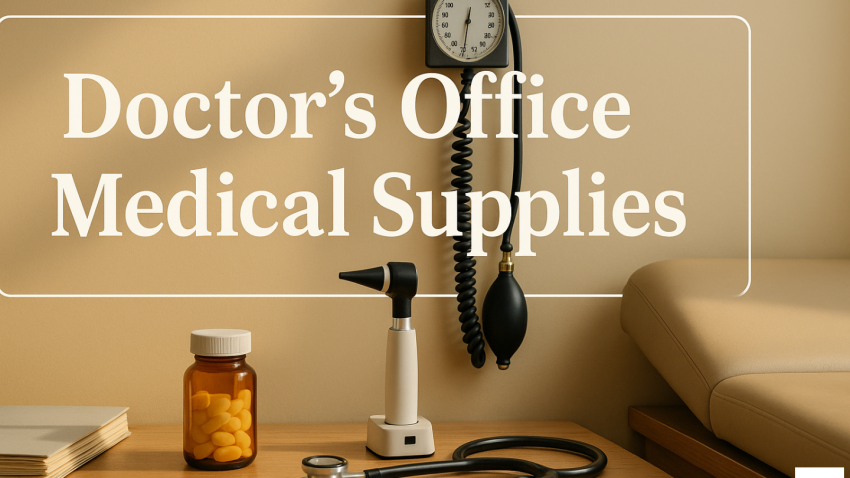
Physicians rely on diagnostic tools for nearly every visit. These include:
- Stethoscopes for listening to heart, lung, and bowel sounds.
- Otoscope and ophthalmoscope sets for examining ears and eyes.
- Blood pressure monitors (manual or automatic) for checking vital signs.
- Thermometers, including digital, infrared, or tympanic, depending on preference and patient needs.
These instruments must be accurate, well-maintained, and easy to clean between uses.
3. Weighing scales and height rods
Every patient visit typically begins with checking weight and height. Pediatric and adult scales, some with integrated height rods, help record baseline health data. For accuracy, electronic models with digital displays are often preferred in modern offices.
4. Examination lights
Good lighting supports accurate diagnosis. Adjustable examination lamps with flexible arms help providers focus on specific areas of the body. LED models are energy-efficient and long-lasting, making them a popular choice.
5. Personal protective equipment (PPE)
Safety for both staff and patients depends on having the right PPE available at all times. This includes:
- Disposable gloves (latex or nitrile)
- Surgical masks
- Face shields
- Protective gowns
- Shoe covers and hair caps in specific settings
These should be stored in easy-to-reach places throughout the office.
6. Hand hygiene supplies
Hand hygiene is critical in preventing infections. All exam and treatment rooms should be stocked with:
- Alcohol-based hand sanitizers
- Antibacterial soap
- Paper towels
- Touchless dispensers, if possible
Regular use of these supplies helps support CDC-recommended infection control practices.
7. Syringes and needles
Doctor’s offices often perform routine vaccinations, allergy shots, and injections. A range of syringe sizes and needle gauges is necessary to meet patient and procedure needs. Always keep these supplies stored in sterile, organized trays or drawers.
8. Bandages and wound care items
For treating minor injuries or post-procedure care, offices need a full stock of:
- Adhesive bandages
- Gauze rolls and pads
- Medical tape
- Antiseptic wipes and solutions
- Sterile dressings
These supplies should be restocked regularly to avoid shortages.
9. Suture removal kits
Even if suturing is not done onsite, many follow-ups involve suture removal. These kits typically include sterile scissors, forceps, and gauze. Some providers choose disposable kits to reduce infection risk and cleaning time.
10. Gloves and examination supplies
Gloves are used throughout the day for exams, cleaning, and procedures. Latex-free gloves help protect both patients and staff from allergic reactions. Offices should also stock cotton swabs, tongue depressors, and speculums for routine exams.
11. Disinfectants and cleaning products
Medical offices must meet strict sanitation standards. This includes using:
- Surface disinfectants approved by the EPA
- Alcohol wipes
- Bleach solutions (as needed)
- Disposable cleaning cloths
Cleaning must be done between each patient to prevent cross-contamination.
12. Sharps containers and biohazard disposal
Proper disposal of medical waste is a legal and safety requirement. Every room where needles or blades are used should have a sharps container. Biohazard bags and labeled bins help ensure safe disposal of contaminated materials.
13. EKG machines
For clinics that monitor heart health, a portable or cart-based EKG machine is a core diagnostic tool. Electrocardiogram supplies like lead wires and electrode pads must also be kept in stock.
14. Pulse oximeters
These compact devices measure oxygen saturation and pulse rate. They are useful in primary care, urgent care, and pediatric settings, especially when evaluating respiratory conditions.
15. Glucometers and diabetic supplies
Offices treating diabetic patients often perform blood glucose checks. This requires:
- Glucometers
- Test strips
- Alcohol prep pads
- Lancets and lancet devices
These supplies should be stored together for quick access.
16. Urinalysis and specimen collection kits
Offices must be equipped for on-site testing and lab send-outs. Supplies may include:
- Urine specimen cups
- Dipsticks for basic urinalysis
- Stool collection kits
- Swabs for culture
Labels and sealable transport bags must be used to comply with lab and privacy standards.
17. Otoscope and ophthalmoscope chargers
Since these tools are used often, keeping them charged and ready is key. Wall-mounted or desk charging stations help avoid delays during exams.
18. Cold storage for vaccines and medications
Vaccines and certain medications require refrigerated storage. Offices must have medical-grade refrigerators and freezers that meet CDC temperature standards. Temperature monitoring logs are also required for compliance.
19. Basic surgical instruments
Even primary care clinics may perform minor procedures. Common instruments include:
- Scissors
- Hemostats
- Tweezers
- Needle holders
These should be cleaned and sterilized or disposable depending on the office’s infection control policies.
20. Emergency equipment
Doctors must be prepared for medical emergencies. At minimum, offices should have:
- Automated external defibrillator (AED)
- Oxygen tank and masks
- Emergency medications like epinephrine and aspirin
- First aid kits
Staff should be trained in basic life support and emergency response protocols.
21. Sterilization equipment
For offices that reuse tools, autoclaves or other sterilization systems are required. Sterilization pouches and indicator strips help ensure proper technique.
22. Paper products and office supplies
Beyond medical items, clinics need basic office tools like:
- Printer paper and forms
- Pens and labels
- Clipboards
- Patient charts or EHR terminals
While not medical by nature, these items keep the office organized and efficient.
23. Medical drapes and covers
For certain exams or procedures, disposable or reusable drapes offer extra protection and privacy. These are used during pelvic exams, minor skin procedures, and wound care.
24. Hearing and vision screening tools
For general screening, many offices have basic tools like:
- Eye charts
- Handheld vision testers
- Tuning forks or audiometers
These support preventive care and early detection of common problems.
25. Waiting room and front desk supplies
Finally, the patient experience begins at the front door. The waiting area and reception should have:
- Seating arranged for comfort and privacy
- Hand sanitizer dispensers
- Sign-in sheets or electronic kiosks
- Clear signage
Friendly staff and clean spaces help patients feel safe and cared for from the start.
Keeping your office ready for care
Every doctor’s office must be stocked with the right medical supplies to run safely and efficiently. These 25 items form the foundation of patient care across nearly all specialties.CIA Medical helps healthcare providers find the medical supplies they need at competitive prices. Whether you’re setting up a new practice or restocking a busy clinic, we offer everything from diagnostic tools to infection control products. Explore our full selection at ciamedical.com and get the tools you need to provide excellent care every day.

