


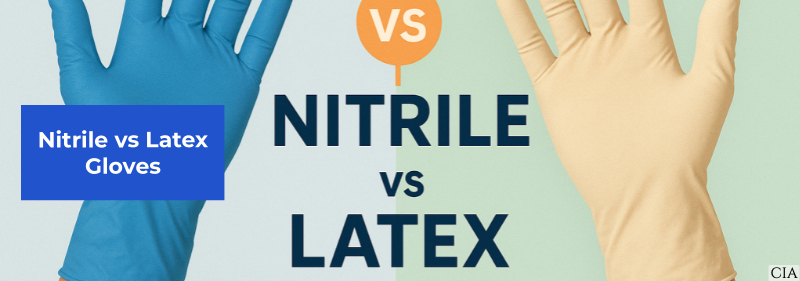
Nitrile vs Latex Exam Gloves: Differences, Pros, and Cons for Surgeons & Medical Professionals
Surgical gloves are one of the most basic but important tools in medical care. They protect the patient and the person wearing them. For most procedures, professionals choose between nitrile and latex gloves. These gloves may look the same, but they have key differences in how they feel, how they perform, and how safe they are for people with allergies.
This guide explains all the important points so you can choose the right glove for the job, every time.
What are nitrile exam gloves?
Nitrile gloves are made from a synthetic rubber called nitrile butadiene. These gloves are not made from natural materials, so they don’t contain latex proteins. That makes them a common choice for people who have latex allergies.
Here’s what you should know about nitrile gloves:
- They are strong and resistant to punctures and tears
- They hold up well against oils, chemicals, and solvents
- Most are powder-free to lower the risk of contamination
- Some versions are textured to improve grip
Nitrile gloves have improved over time. Early types were stiff and uncomfortable, but now many are soft and flexible enough for use in high-precision tasks like surgery.
What are latex exam gloves?
Latex gloves are made from natural rubber. They have been used in medical settings for many decades. These gloves are still very popular because of their excellent fit and feel.
Key points about latex gloves:
- They are very elastic and fit the hand closely
- They provide excellent sensitivity and touch feedback
- They are biodegradable under the right conditions
- They can cause allergic reactions in some people
Because they come from natural rubber, latex gloves contain proteins that may trigger allergies in some patients and healthcare workers. For this reason, many facilities now keep both latex and latex-free gloves in stock.
Key differences between nitrile and latex gloves
Let’s break down the main differences in a simple way that helps with decision-making:
Material and origin
- Nitrile: Made from synthetic rubber
- Latex: Made from natural rubber
Fit and feel
- Nitrile: Slightly firmer at first but adjusts to the hand with warmth
- Latex: Very soft and flexible right away
Strength and durability
- Nitrile: More puncture-resistant and holds up better to rough use
- Latex: Strong but can tear if caught on sharp edges
Chemical resistance
- Nitrile: Works well with oils, greases, and many chemicals
- Latex: Performs well with blood and bodily fluids but not oils
Allergy risk
- Nitrile: Very low
- Latex: Moderate to high, depending on sensitivity
Biodegradability
- Nitrile: Not biodegradable
- Latex: Biodegradable in proper waste environments
Cost and supply
- Nitrile: Usually costs more per glove
- Latex: Slightly lower cost, but may be harder to use in allergy-aware environments
Which glove is better for surgical procedures?
Surgeons and OR staff must consider many factors when choosing gloves. Here’s what matters most:
Tactile sensitivity
Latex gloves still offer the best tactile precision. Surgeons who need very fine control often prefer latex. That said, modern nitrile gloves have come close in comfort and responsiveness.
Puncture resistance
Nitrile gloves are better at resisting punctures. In procedures with sharp tools or bone fragments, nitrile adds a layer of safety. If puncture happens, a double-glove setup can help catch leaks early.
Double-gloving
In many procedures, staff wear two pairs of gloves. This is easier with thinner gloves. Surgeons often wear an inner latex glove for feel and an outer nitrile glove for strength. If the outer layer tears, the colored inner layer makes it easier to spot.
Moisture and grip
Both types of gloves can be treated to reduce slippage. Nitrile gloves with texture give better grip in wet conditions. That can help with instrument handling during long or complex surgeries.
Allergy concerns
Latex allergy is a serious issue in healthcare. Some symptoms include:
- Skin redness or itching
- Sneezing or watery eyes
- Breathing problems or asthma in serious cases
If a patient or staff member has a latex allergy, you must avoid all latex products. Many facilities now label gloves clearly and train staff on identifying allergy-safe supplies.
Nitrile gloves rarely cause allergic reactions. Some users may react to chemical residues used in production, but this is uncommon and usually mild.
Chemical safety
In clinical and lab settings, gloves often come into contact with chemicals. Here’s how the materials compare:
- Nitrile gloves hold up better to cleaning agents, solvents, and oils
- Latex gloves perform well against acids and blood but break down with certain chemicals
Always check glove compatibility before using them around strong chemicals.
Environmental impact
Some hospitals are now looking at the environmental cost of disposable gloves. Latex gloves are made from renewable materials and break down over time in the right conditions. Nitrile gloves, on the other hand, are petroleum-based and do not degrade naturally.
While latex is more eco-friendly, its allergy risks mean it can’t be used everywhere. Facilities trying to lower waste may look for compostable glove options or glove recycling programs.
Making the right choice for your practice
Here’s a quick guide to help with glove selection based on your needs:
- Use nitrile gloves if:
- You need strong protection from punctures or chemicals
- There is a risk of latex allergy
- You need to meet strict allergy policies
- You need strong protection from punctures or chemicals
- Use latex gloves if:
- You need the highest level of touch sensitivity
- You work in low-risk areas for allergies
- You want a biodegradable option
- You need the highest level of touch sensitivity
- Consider both if:
- You want to double-glove for added safety
- Your facility uses different gloves based on department needs
- You want to double-glove for added safety
Wrap-up: what matters most
There’s no single best glove for every setting. Both nitrile and latex gloves work well, but the best choice depends on the job, the patient, and the environment.
Think about what matters most: fit, safety, comfort, allergies, and costs. Keep a supply that matches those needs and train your team to know the differences. That way, you’re always prepared, no matter what the day brings.

